How to Plan a Corporate Retreat in the UK and Ireland
Corporate retreat planning starts with a clear objective and the right destination. The UK and Ireland offer US-based companies a unique combination of world-class venues, accessible time zones, and experiences that range from castle buyouts in rural Ireland to leadership workshops in Edinburgh’s historic Old Town. Here’s a complete planning framework.
Table of Contents
- Why the UK and Ireland for Your Corporate Retreat
- Setting Objectives That Drive Real ROI
- Corporate Retreat Venues: Choosing the Right Location
- Budgeting and Timeline for International Retreat Planning
- Corporate Retreat Team Building: Activities That Actually Work
- Logistics, Travel, and On-the-Ground Support
- Sustainability and Responsible Retreat Planning
Why the UK and Ireland for Your Corporate Retreat
The UK and Ireland have become a top-tier choice for American companies planning a corporate retreat abroad. Direct flights from most major US cities land in Dublin, London, or Edinburgh in 6-8 hours, and the lack of a significant language barrier removes friction from every interaction.
A corporate retreat is a strategic investment in team alignment, culture, and performance. It is not simply a company holiday with a loose agenda.
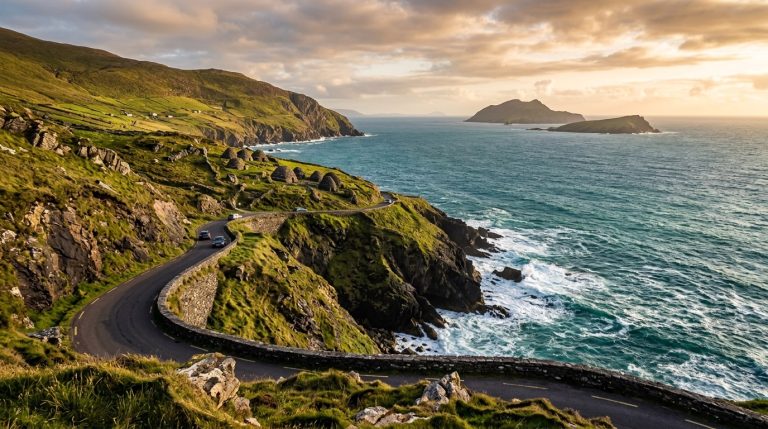
What sets these destinations apart is range. Ireland’s Wild Atlantic Way delivers dramatic coastal landscapes for outdoor team challenges. Scotland’s Highlands provide the kind of raw, remote beauty that pulls people away from screens and into genuine conversation. England’s Cotswolds and Lake District offer refined countryside estates, while Wales surprises with underrated castles and national parks ideal for smaller, focused leadership retreats.
According to Surf Office’s State of Company Offsites Report (2025), 91% of offsite organizers operate in remote or hybrid models, making international retreats a critical tool for bridging physical and cultural gaps within distributed teams. For US companies with European clients or operations, a UK or Ireland retreat doubles as a strategic positioning move â your team isn’t just bonding, they’re building familiarity with a key market.
The shared-language advantage also matters more than planners expect. Every vendor interaction, every activity briefing, every emergency communication happens without translation delays. That’s one less variable in an already complex logistics chain.
Explore our full range of destinations across the UK and Ireland to see what’s possible.
Setting Objectives That Drive Real ROI
Before you select a venue or book a single flight, define what success looks like. The companies that get the most value from corporate retreat planning are the ones that tie every agenda item to a measurable business outcome.
According to Gallup’s State of the Global Workplace Report (2025), global employee engagement fell to just 21% last year, costing the global economy an estimated $438 billion in lost productivity. Retreats aren’t a luxury â for many organizations, they’re a corrective measure.
Start with one of these four common retreat objectives:
- Team alignment â Break down silos between departments or between US and European offices
- Leadership development â Immersive workshops for emerging or senior leaders
- Strategic planning â Quarterly or annual planning sessions in a distraction-free environment
- Reward and retention â Incentive trips recognizing top performers
Research cited by Retreats and Venues shows organizations report an average return of $4.52 for every $1 spent on face-to-face team-building activities. But that ROI only materializes when retreat design matches retreat purpose. A leadership retreat at a private Scottish estate demands a different format than an all-hands celebration in Dublin.
Map your objectives to measurable KPIs before departure. Track employee sentiment surveys, project velocity, or retention rates at 30, 60, and 90 days post-retreat. This data justifies the investment to the C-suite and sharpens the design of your next offsite.
If you’re unsure what a Destination Management Company can do for your planning process, our guide to what a DMC is breaks down the model.
Corporate Retreat Venues: Choosing the Right Location
Selecting from the available corporate retreat locations across the UK and Ireland requires matching your group’s size, objectives, and culture to the right setting. A venue shapes the retreat experience more than most planners realize â the wrong one creates friction, the right one amplifies everything on your agenda.
Here’s how the major regions compare:
| Region | Best For | Group Size | Signature Venues | Key Draw |
|---|---|---|---|---|
| Ireland (West & South) | Incentive & reward trips | 20-120 | Ashford Castle, Dromoland Castle, Adare Manor | Castle buyouts, golf, whiskey experiences |
| Scotland (Highlands & Edinburgh) | Leadership & strategy retreats | 15-80 | Gleneagles, Gleneagles Townhouse, private Highland estates | Remote grandeur, Highland games, whisky distillery tours |
| England (Cotswolds & Lake District) | All-hands & cross-team bonding | 30-200 | Soho Farmhouse, Beaverbrook Estate, Armathwaite Hall | Refined countryside, spa facilities, proximity to London |
| Wales | Focused workshops & small teams | 10-50 | Bodysgallen Hall, Palé Hall, Celtic Manor Resort | Value, castles, Snowdonia adventures |
For incentive-style retreats, our Ireland incentive travel programs and Scotland incentive experiences are designed specifically for reward-driven groups. If your retreat leans more toward strategic work sessions with luxury downtime, consider our luxury travel options in England.
Corporate retreat venues are environments that shape behavior, conversation, and creative thinking. They are not interchangeable meeting rooms with nicer wallpaper.
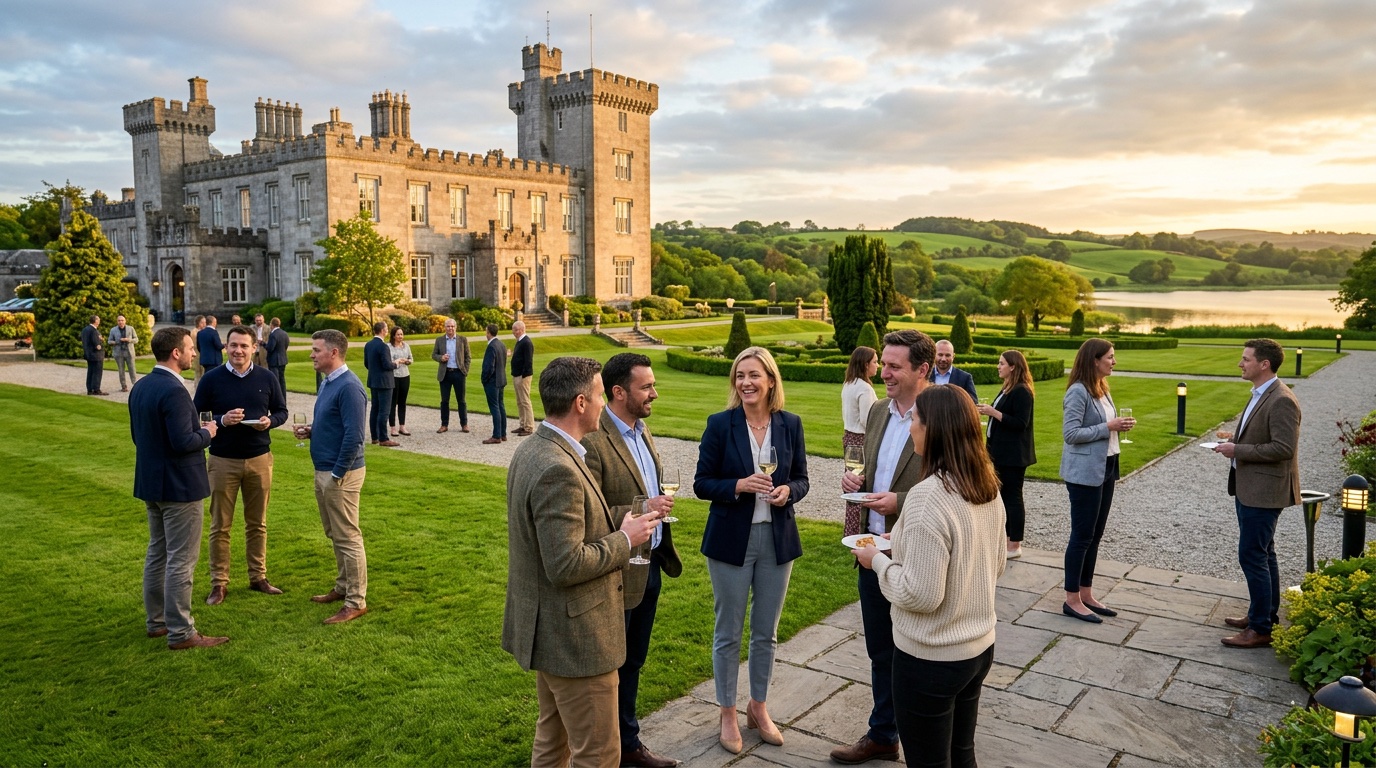
The trend across 2025 and into 2026 is clear: companies are moving away from generic conference hotels and toward unique venues that create a distinct sense of place. A 15th-century castle in County Clare doesn’t just host your retreat. It becomes part of the story your team tells for years afterward.
Budgeting and Timeline for International Retreat Planning
Planning a corporate retreat in the UK or Ireland from the US requires a longer runway and a more detailed budget than a domestic offsite. Here’s a realistic breakdown.
| Budget Category | Cost Range (Per Person, USD) | Notes |
|---|---|---|
| Flights (US to UK/Ireland) | $600 – $1,800 | Business vs. economy; book 3+ months out |
| Accommodation (3-4 nights) | $600 – $2,000 | Country house vs. 5-star castle |
| Meals & Catering | $300 – $800 | Including welcome dinner and farewell event |
| Activities & Team Building | $200 – $600 | Whiskey tasting, Highland games, workshops |
| Ground Transport | $150 – $400 | Airport transfers, coach hire, local logistics |
| DMC Management Fee | $100 – $300 | Full coordination, on-site support, contingency |
| Total Estimate | $1,950 – $5,900 | 3-4 day retreat, all-inclusive |
According to Surf Office’s 2025 report, the average retreat spend per employee for companies of 21-50 people was $3,692 including flights and accommodation. That aligns closely with a mid-range UK or Ireland retreat.
Recommended planning timeline:
- 8-12 months out: Define objectives, set budget, engage a DMC
- 6-8 months out: Shortlist and confirm venue, book group flights
- 4-6 months out: Finalize agenda, confirm activities and speakers
- 2-3 months out: Attendee communications, dietary/accessibility audits
- 2-4 weeks out: Final briefing documents, travel packs distributed
- Post-retreat: Collect feedback within 7 days, measure KPIs at 30/60/90 days
Working with a DMC in Ireland or a DMC in Scotland saves significant time here. Local supplier relationships mean faster confirmations, pre-negotiated rates, and backup options already vetted if your first-choice venue falls through.
Corporate Retreat Team Building: Activities That Actually Work
Generic trust falls and icebreakers don’t cut it. Corporate retreat team building needs to match the sophistication of the destination and the seniority of the participants. The UK and Ireland offer experiences you simply can’t replicate in a hotel ballroom back home.
High-impact activities by retreat type:
For leadership retreats (Scotland):
- Private whisky blending sessions at a working distillery â teams create their own blend, requiring consensus-building and sensory collaboration
- Highland estate challenges combining orienteering, clay pigeon shooting, and problem-solving tasks
- Facilitated fireside strategy sessions in a private castle library
For incentive/reward retreats (Ireland):
- Private falconry experiences at Ashford Castle’s School of Falconry
- Guided coastal hikes along the Cliffs of Moher with a local historian
- Traditional Irish music and cookery workshops in a West Cork farmhouse
- Championship golf at Dromoland Castle or Ballybunion
For cross-team bonding (England):
- Cotswolds pub crawl challenges (guided, with team-based trivia at each stop)
- Lake District kayaking and fell-walking with leadership debrief sessions
- Private chef competitions using local seasonal produce
For focused workshops (Wales):
- Snowdonia wilderness problem-solving expeditions
- Mindfulness and strategy sessions at a restored Welsh manor
- Coastal foraging experiences along the Pembrokeshire coast
Research from TeamOut highlights that companies with strong team bonding strategies see a 73% decrease in employee turnover. But the design matters: 87% of employees who attend traditional team-building events report no lasting impact after 30 days. The difference is immersion. Activities rooted in place â a specific landscape, a local craft, a cultural tradition â create shared memories that generic exercises don’t.
Our England DMC team and Wales DMC specialists curate activity programs tailored to your group’s dynamics and goals.
Logistics, Travel, and On-the-Ground Support
The logistics of moving a US-based team to the UK or Ireland are more manageable than most planners assume, but there are details that trip up first-timers.
Flights and arrival:
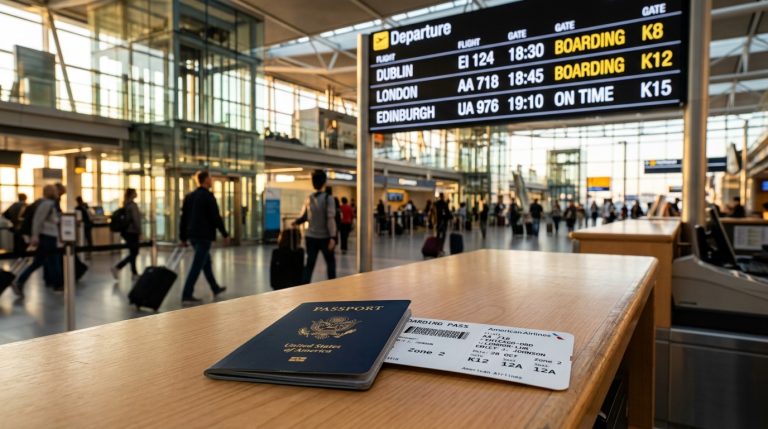
Direct flights operate daily from New York, Boston, Chicago, San Francisco, Atlanta, and other major hubs to London, Dublin, and Edinburgh. Flight time runs 6-8 hours eastbound. The 5-8 hour time difference (depending on coast and daylight saving) works in your favor â a morning departure lands you in the evening, with a full day to acclimate before the program begins.
Ground transport:
Distances across the UK and Ireland are compact by American standards. Dublin to Galway is under three hours. Edinburgh to the Highlands is two. London to the Cotswolds takes 90 minutes. A DMC coordinates private coaches, luxury minibuses, or even helicopter transfers for truly premium experiences.
Passports and entry:
US citizens don’t need a visa for stays under 90 days in Ireland or under 6 months in the UK. Ensure all attendees have passports valid for at least six months beyond the travel dates.
Communication and connectivity:
Wi-Fi is standard at every corporate-grade venue. For teams that need to stay partially connected to US operations during the retreat, the time difference actually helps â your afternoon sessions end as the US East Coast wakes up, creating natural overlap windows.
Weather planning:
Pack layers. The UK and Ireland are temperate but changeable. Average summer temperatures sit around 15-20C (59-68F). Rain is possible any month. Good DMCs build weather contingencies into every outdoor activity â indoor backup options should be confirmed at the venue stage, not discovered on the day.
On-site support:
This is where a DMC earns its fee. Having a local program manager physically present throughout the retreat handles the hundred small things that go wrong: a delayed transfer, a dietary requirement missed by the kitchen, an activity that needs reshuffling due to weather. You can view our case studies to see how on-the-ground coordination works in practice.
Sustainability and Responsible Retreat Planning
Sustainability isn’t a checkbox item for UK and Ireland retreats â it’s increasingly the expectation. Your team members notice, and so do the stakeholders who approve the budget.
The UK and Ireland have strong sustainability infrastructure that makes responsible retreat planning straightforward. Many heritage venues run on renewable energy, source food from estate farms, and hold recognized green certifications. Ireland’s commitment to sustainable tourism is particularly advanced, with Failte Ireland’s Tourism Sustainability Pledge covering hundreds of properties.
Practical sustainability actions for your retreat:
- Choose venues with verified environmental certifications (Green Tourism, ISO 14001)
- Consolidate group flights on direct routes to minimize carbon footprint
- Use coach transport rather than multiple rental cars
- Select caterers who use local, seasonal produce
- Offset remaining emissions through verified carbon programs
- Avoid single-use plastics in welcome packs and event materials
The carbon math is sometimes counterintuitive. Flying 40 people on a single direct route to Dublin and using shared ground transport can produce a lower per-person footprint than driving 40 individual rental cars to a domestic retreat across multiple US states.
We take this seriously. Our sustainability commitments outline how we integrate responsible practices into every program we manage, from venue selection through to waste management.
If your organization reports on ESG metrics, a DMC can provide documentation of sustainability measures taken during the retreat â transport emissions data, venue certifications, and local economic impact figures that feed directly into your reporting framework.
Frequently Asked Questions
How far in advance should we plan a corporate retreat in the UK or Ireland?
Start planning 4-6 months in advance for standard retreats and 8-12 months for large groups (50+) or peak-season dates between May and September. Castle venues and exclusive-use estates in Ireland and Scotland book up quickly, particularly Ashford Castle and Gleneagles, so early engagement with a DMC secures your preferred dates and the best rates. Shoulder season (April-May and September-October) offers both availability and value.
What is the average cost per person for a corporate retreat in the UK and Ireland?
Corporate retreat budgets in the UK and Ireland typically range from $200-$600 per person per day, depending on venue tier, activities, and catering standards. For a full 3-4 day international retreat including flights from the US, expect $3,500-$5,000 per employee at a mid-to-premium level. Working with a DMC can reduce costs by 15-25% through local supplier relationships and volume pricing that aren’t available to overseas planners booking directly.
What is a DMC and why should we use one for our UK or Ireland retreat?
A DMC (Destination Management Company) is a local specialist that handles ground logistics, venue sourcing, activity coordination, transport, and on-the-ground support for corporate events. Using a DMC for your UK or Ireland retreat means you get vetted local suppliers, insider access to exclusive venues, and a single point of contact who manages every detail. This eliminates the complexity of coordinating across time zones and unfamiliar markets. Learn more about how DMCs work.
What are the best months to hold a corporate retreat in the UK and Ireland?
May through September offers the longest daylight hours and mildest weather for outdoor activities across all four regions. September and October are particularly popular with corporate groups, combining pleasant autumn weather with lower rates after peak tourist season. Avoid December through January unless a festive-themed retreat is the goal, as daylight is limited (as few as 7 hours in Scotland) and some rural venues operate on reduced schedules.
Can a corporate retreat in the UK or Ireland accommodate dietary and accessibility requirements?
Yes. Most premium venues across the UK and Ireland are experienced with international groups and accommodate a wide range of dietary needs including vegan, kosher, halal, and allergen-free menus. Accessibility varies by venue type â modern hotels generally meet ADA-equivalent standards under UK Equality Act and Irish Disability Act provisions, while historic castles may have limitations due to listed building restrictions. A DMC will audit venues against your group’s specific requirements before any booking is confirmed. Contact us to discuss your group’s needs.
Cashel Travel is a Destination Management Company specializing in corporate retreats, incentive travel, and group experiences across Ireland, Scotland, England, and Wales. [Get in touch](https://casheltravel.com/contact/) to start planning your retreat.